
Week 5 Virus
Section outline
-
Hi everyone!
Today, we’re going to learn about viruses, some of the tiniest organisms known but also some of the most powerful. Viruses are not truly living organisms because they can’t survive or reproduce on their own. They must infect a host cell to multiply. Despite their size, viruses can cause major diseases, from the common cold and influenza to more severe infections like HIV, COVID-19, and hepatitis.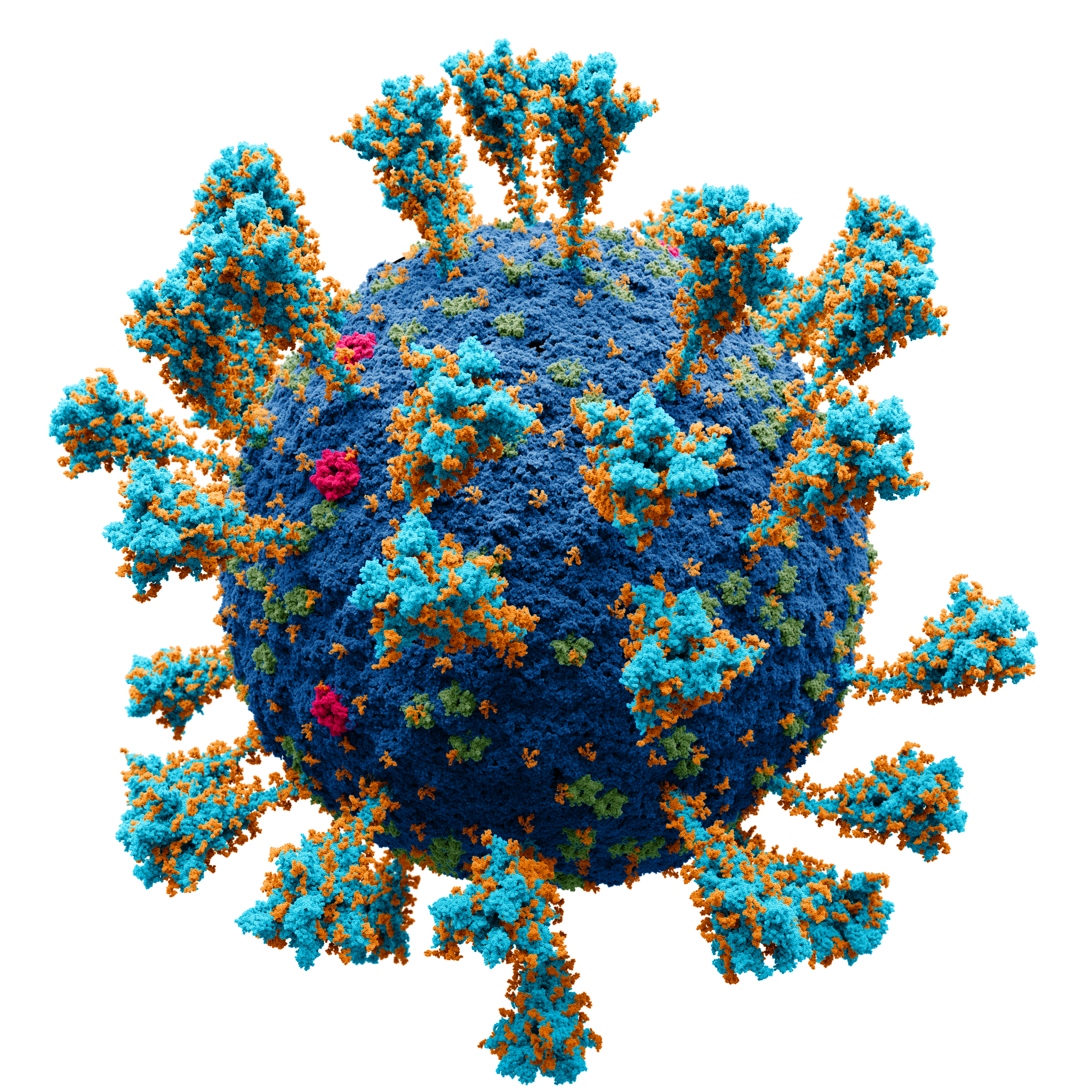
5.1 Topic Learning Outcome
By the end of this lesson, you will be able to:
5.1.1 List the general characteristics of viruses.
5.1.2 Draw and label the structure of a virus (e.g., capsid, envelope, spikes).
5.1.3 Explain the viral replication process (lytic vs. lysogenic cycles).
5.1.4 Describe common viral infections in humans and prevention methods.5.2 List of Subtopics
5.2.1 Characteristics of Viruses
5.2.2. Structure of Viruses
5.2.23 Viral Replication
5.2.4 Lytic vs. Lysogenic Cycles
5.2.5 Common Viral Infections5.3 Video Lecture
Watch the video assigned for this topic: Virus
(Duration 21:20 mins)
Please watch the video animation on virus replication to deepen your understanding of how viruses reproduce inside host cells. The video clearly shows each step of the replication process and will help you follow the topic more easily.
(Duration 2:28 mins)
Watch the animation video on lytic and lysogenic replication of viruses, to help you understand the differences between these two types of viral replication cycles, including how viruses reproduce and interact with host cells.
(Duration 4.42 mins)
5.4 Lecture Slide
Scroll the accompanying lecture slides for further details.
-
Activity 5.4
After watching the video, now let's try to answer these questions:- Why can’t viruses reproduce on their own?
- How do spike proteins help a virus infect cells?
- Compare flu (lytic) and HIV (lysogenic) replication strategies.
-